
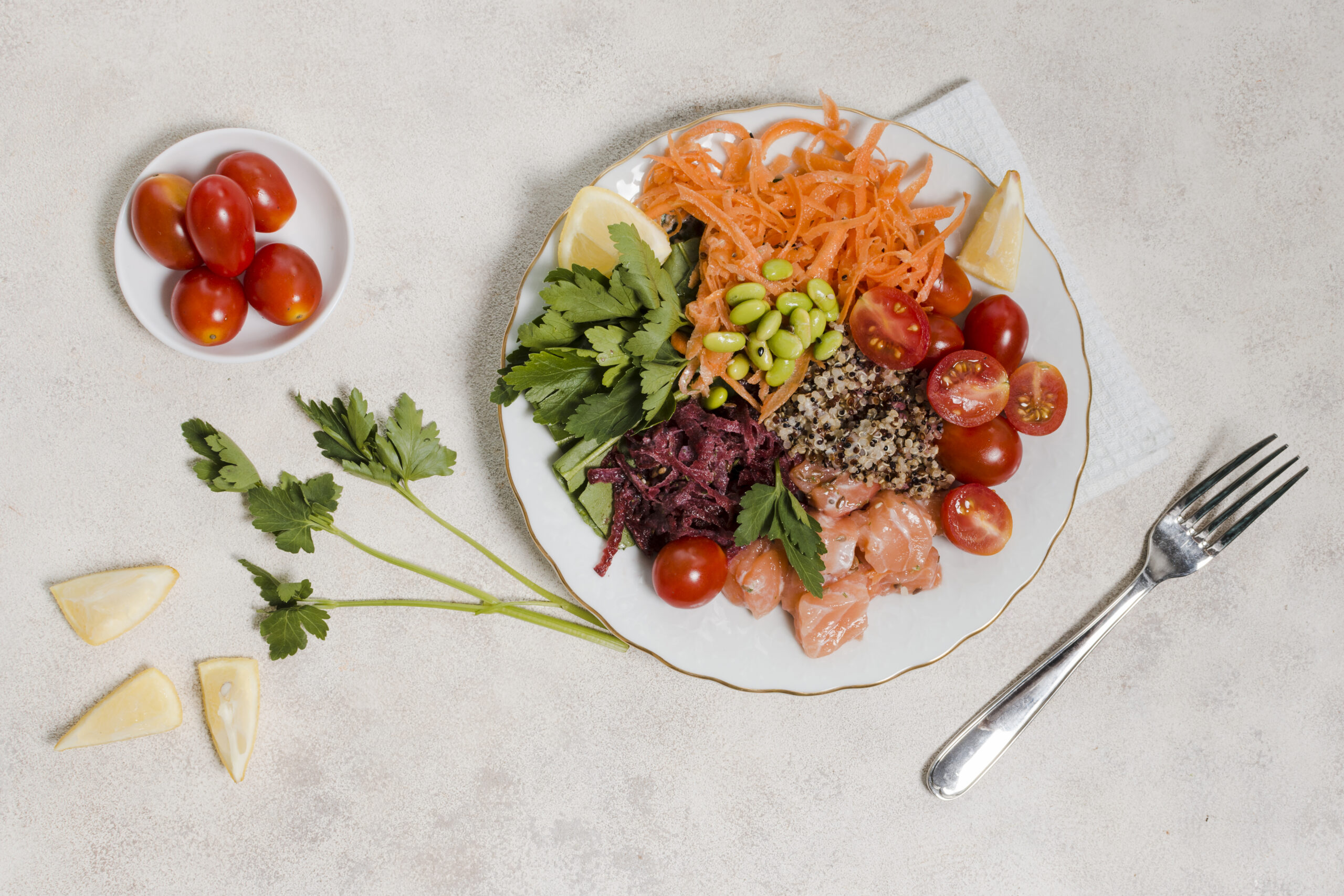
The modern approach to nutrition is built not on counting every calorie, but on understanding the quality of products and their impact on satiety and energy. The primary tool here is the "plate method." Half of every meal should consist of vegetables and greens: they provide volume and fiber, which slows down the absorption of sugars. A quarter of the plate is dedicated to high-quality protein (meat, fish, eggs, legumes)—this is the building block and the main factor for long-lasting satiety. The remaining quarter consists of complex carbohydrates (buckwheat, brown rice, whole-grain bread), which provide stable energy without sharp spikes in blood sugar. This balance helps avoid the "insulin roller coaster" and the urge to snack on sweets an hour after eating.
For a long time, fats were unfairly considered the enemy of the figure, but they are exactly what is responsible for the health of the skin, hair, and brain function. It is important to choose sources of healthy unsaturated fats: avocados, nuts, unrefined oils, and fatty sea fish. At the same time, trans fats from industrial pastries and fast food should be minimized, as they trigger inflammatory processes. It is better to add vegetable oils to ready-made dishes to preserve their beneficial properties. Consuming an adequate amount of the right fats helps control appetite, as they signal satiety to the brain much more effectively than fast carbohydrates.
The eating routine is individual, but the foundation for everyone is clean intervals between meals without constant small snacks. Constant grazing forces the pancreas to produce insulin non-stop, which prevents the body from using its own fat stores. It is important to learn to distinguish physical hunger from emotional hunger or thirst. Often we eat out of boredom or stress, even though the body simply needs a glass of water or a short walk at that moment. Hydration is the foundation of metabolism. Water participates in all chemical reactions, and its deficiency often manifests as fatigue or a false sense of hunger.
Sugar and salt are the two main flavor enhancers that make us eat more than necessary. Excess salt retains water and causes swelling, and added sugar is hidden in almost all processed products: from sauces to yogurts. Switching to whole foods that have not undergone deep industrial processing automatically solves the problem of unnecessary additives. Instead of store-bought sweets, it is better to choose berries or fruits, where the sugar is balanced by fiber. Gradually reducing the amount of sweeteners restores the sensitivity of taste receptors, and natural food begins to taste much better.
The culture of eating is just as important as the composition of the food. Eating in front of a smartphone or TV screen disconnects the brain from the stomach, which causes the feeling of fullness to arrive later, leading to overeating. Thorough chewing (about 20 times per bite) aids digestion and allows you to feel the "stop" signal in time. Sleep directly affects eating behavior: with lack of sleep, the hunger hormone (ghrelin) level rises, while the satiety hormone (leptin) level drops. Therefore, quality rest is just as much a part of nutrition as the choice of vegetables. Healthy eating is not a short-term marathon but a set of habits that make life lighter and more energetic.


 Russian
  Estonian
  English